Does AI Marketing Replace Employees? Exploring the Future of Work in the Digital Age
In today's rapidly evolving digital landscape, businesses are increasingly turning to artificial intelligence (AI) to enhance their marketing strategies. This raises an important question: does AI marketing replace employees? As organizations seek to streamline operations, improve efficiency, and leverage vast amounts of data, understanding the implications of AI on the workforce becomes crucial. In this article, we explore the rise of AI in marketing, delve into the technologies driving this change, assess the impact on employment within the marketing sector, and examine how the future may lie in collaboration between AI and human employees rather than outright replacement.
Key Takeaways
- AI marketing technology is rapidly evolving and reshaping the marketing landscape.
- AI does automate certain tasks, but it also creates new roles and opportunities in marketing.
- Collaboration between AI tools and human employees enhances creativity and efficiency.
- The future of work in marketing will involve a synergy between AI capabilities and human intuition.
- Marketers must adapt and evolve their skills to thrive alongside AI advancements.
Introduction: The Rise of AI in Marketing
In recent years, there has been a notable surge in the integration of artificial intelligence (AI) within the marketing sector, raising questions about its impact on the workforce. One of the most common inquiries revolves around the topic: does AI marketing replace employees? As businesses increasingly leverage AI tools for data analysis, customer insights, and personalized marketing campaigns, many fear that these advancements may lead to job losses. However, rather than viewing AI as a replacement, it’s essential to understand that it acts as an augmentation tool that enhances human capabilities. Marketing professionals who embrace AI technology can streamline their efforts, making data-driven decisions that lead to better engagement with audiences and ultimately driving higher ROI. This collaboration between AI and human insight not only increases efficiency but also creates new roles that focus on creative strategy, customer relationship management, and ethical oversight.
Understanding AI Marketing Technology
In the rapidly evolving landscape of digital marketing, one question often arises: does AI marketing replace employees? This inquiry reflects apprehension among professionals regarding the role of artificial intelligence in their jobs. However, rather than viewing AI as a replacement for human work, it is more productive to consider AI marketing technology as a collaborative tool that enhances the effectiveness and efficiency of marketing teams. AI can analyze vast amounts of data at incredible speeds, providing insights that empower marketers to make informed decisions, personalize customer experiences, and optimize campaigns. By automating routine tasks, such as data analysis and social media posting, AI enables employees to focus on strategic planning and creative endeavors, ultimately driving better results. Therefore, the integration of AI in marketing does not lead to job loss; instead, it cultivates a new workforce dynamic where employees can leverage technology to elevate their contributions to the organization.
'The real risk is that technology will change the way we work and redefine the jobs we have rather than replace them outright.' - John Naisbitt

The Impact of AI on Employment in Marketing
As businesses increasingly adopt AI technologies, a common concern arises: does AI marketing replace employees? The impact of artificial intelligence on employment within the marketing sector is nuanced and multi-faceted. While AI can automate repetitive tasks such as data analysis, customer segmentation, and even content creation, it also opens doors to new roles focused on strategy, creativity, and human engagement. Marketers are now able to leverage AI to enhance their decision-making processes, allowing them to focus on more complex strategic initiatives that require a human touch. Instead of rendering marketing employees obsolete, AI serves as a powerful tool that augments their capabilities, driving efficiency and innovation within teams. As a result, while certain traditional roles may evolve or diminish, the demand for skilled marketers who can harness AI technology is likely to grow, creating a shift rather than a simple replacement.
Future Trends: Collaboration between AI and Human Employees
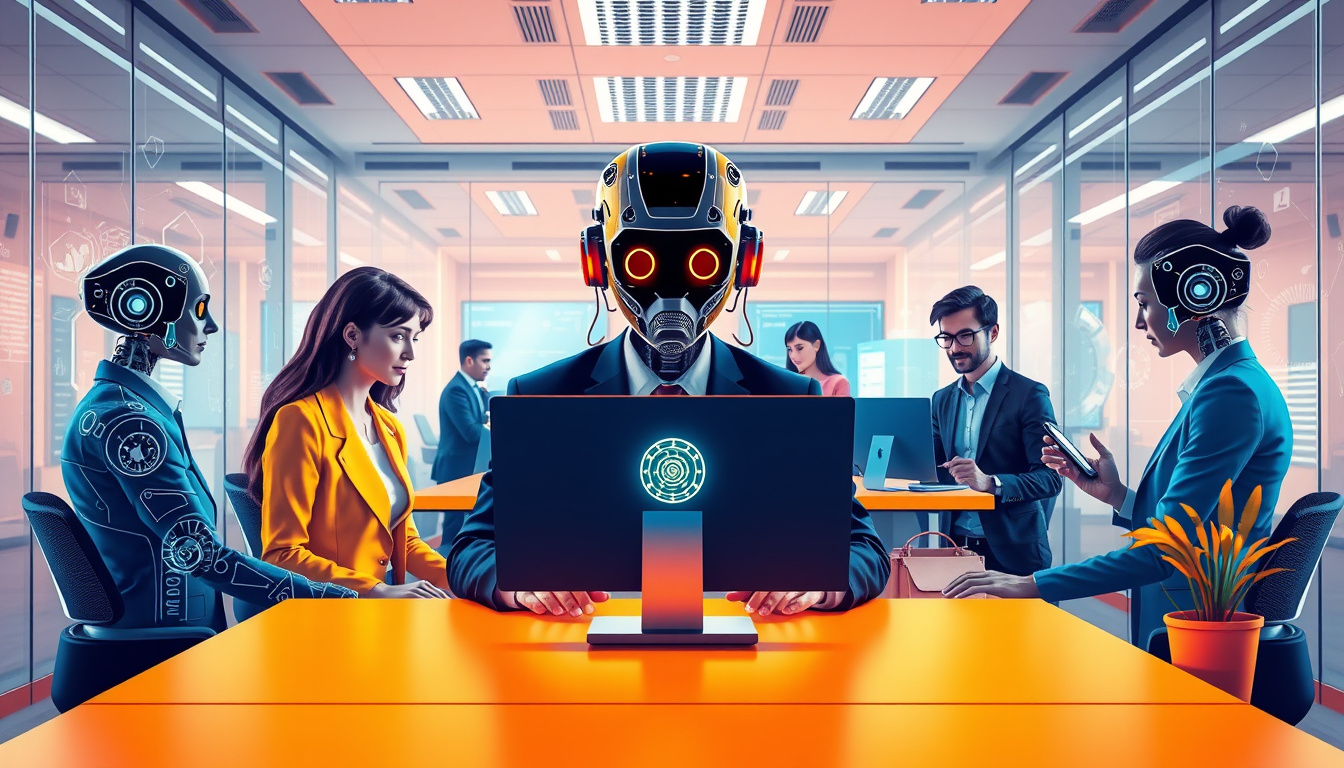
As businesses increasingly adopt AI technologies, one of the burning questions is, 'Does AI marketing replace employees?' While it may seem that AI could lead to a reduction in workforce requirements, the reality is far more nuanced. The future of marketing is geared towards a synergistic relationship between AI tools and human employees. AI can handle data analytics, automate repetitive tasks, and optimize campaigns at an unprecedented scale, allowing human marketers to shift their focus to more strategic initiatives. This collaboration enables companies to leverage data-driven insights while enhancing creative processes, ultimately leading to more innovative and effective marketing solutions. Rather than replacing jobs, AI is poised to empower employees, transforming their roles and allowing them to concentrate on higher-value tasks that require human intuition and emotional intelligence.
Frequently Asked Questions
Will AI marketing completely replace employees?
No, while AI marketing can automate certain tasks, it is unlikely to completely replace employees. Instead, it will likely enhance their roles by allowing them to focus on more strategic and creative tasks.
What jobs in marketing are most at risk from AI?
Jobs that involve repetitive and data-driven tasks, such as data entry, basic content generation, and routine analysis, may be more at risk. However, more complex roles that require creativity, emotional intelligence, and strategic thinking are less likely to be automated.
How can employees adapt to the rise of AI in marketing?
Employees can adapt by updating their skills through training in AI technology, data analysis, and digital marketing strategies. Embracing continuous learning and focusing on areas where human insight is crucial will be key.
What are the benefits of AI collaboration with human employees in marketing?
AI can handle large volumes of data quickly, providing insights and automating routine tasks. This collaboration allows human employees to engage in creative problem solving, build stronger customer relationships, and develop innovative marketing strategies.
What does the future of work look like with AI in marketing?
The future of work in marketing will likely involve a hybrid model where AI and humans collaborate. This will lead to increased efficiency, allowing marketers to leverage AI's data capabilities while applying human creativity and judgment.
Contact Toll Publishing Group
For enquiries about smart websites, AI voice agents, chat widgets, and automated follow-up systems, contact Toll Publishing Group.