Web Design vs Conversion Funnel Build: Which Strategy Will Boost Your Business?
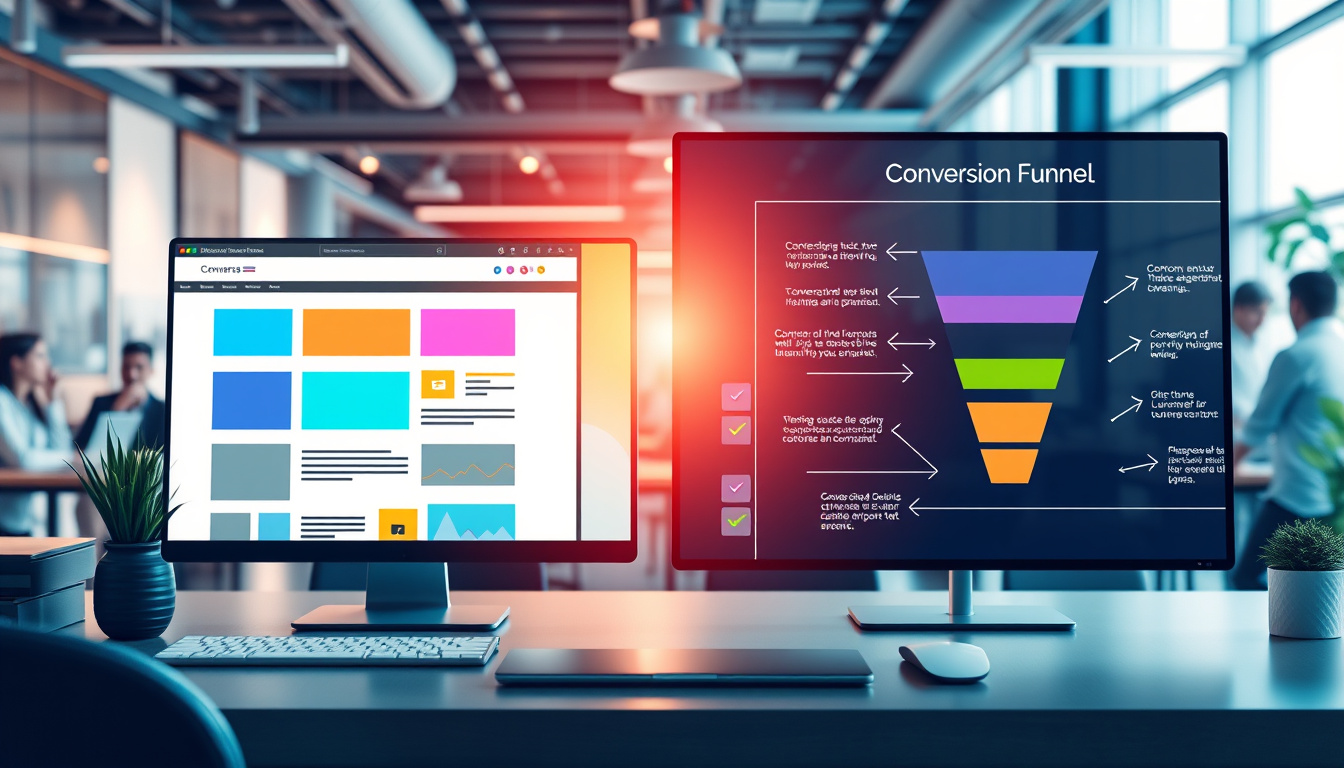
In today's digital landscape, businesses are constantly seeking strategies that effectively boost their online presence and drive conversions. One common debate among marketers and business owners is the comparison of web design versus conversion funnel build. While both play crucial roles in achieving online success, understanding their differences and how they complement each other can help you make informed decisions for your business. In this article, we will explore the key elements of web design, outline the steps involved in building a conversion funnel, and compare the pros and cons of each strategy. Additionally, we will discuss how integrating web design with a conversion funnel can create a cohesive strategy that maximizes your business growth.
Key Takeaways
- Web design focuses on aesthetics and user experience, significantly impacting visitor engagement.
- A conversion funnel build outlines the customer journey, driving more targeted leads and sales.
- Both strategies have pros and cons, necessitating careful consideration based on business goals.
- Integrating web design with a conversion funnel can enhance user experience while maximizing conversion rates.
- Ultimately, combining effective web design with a strategic conversion funnel creates a holistic approach to boosting business success.
Understanding Web Design: Key Elements and Importance
Web design is not just about aesthetics; it plays an integral role in shaping the user experience and directly impacts business outcomes. By exploring web design vs conversion funnel build, we can better understand how each aspect contributes to effective online marketing. While web design focuses on the visual and functional aspects of a website - including layout, color schemes, and navigation - the conversion funnel build emphasizes guiding users through a series of steps that lead to a desired action, such as making a purchase or signing up for a newsletter. A well-designed website enhances user engagement, making it easier for visitors to navigate the conversion funnel seamlessly. Therefore, harmonizing both web design and the conversion funnel build is essential for maximizing the effectiveness of digital strategies and achieving higher conversion rates.
The Conversion Funnel Build: Steps and Benefits
When evaluating web design vs conversion funnel build, it’s essential to understand that these two concepts, while interrelated, serve distinct purposes in the online marketing landscape. A conversion funnel build focuses specifically on guiding users through a structured path toward taking a desired action—typically a purchase, subscription, or lead generation—while web design encompasses the visual and functional aspects of a website. The conversion funnel is strategically constructed in a series of steps: awareness, interest, decision, action, and retention. This structured approach ensures that users receive the right information at the right time, ultimately enhancing user experience and increasing conversion rates. The benefits of investing in a well-designed conversion funnel are substantial; it not only streamlines user journeys but also allows for targeted marketing efforts that can lead to higher ROI. Moreover, by aligning web design elements with conversion goals, businesses can create a cohesive experience that resonates with their audience and encourages repeat interaction. Understanding the differences between web design and conversion funnel build is essential for businesses looking to optimize their online presence and drive growth.
'Good design is good business.' – Thomas J. Watson

Comparing the Two Strategies: Pros and Cons
When exploring the digital marketing landscape, businesses often find themselves at a crossroads between two essential strategies: web design vs conversion funnel build. Each approach offers distinct advantages and potential drawbacks, making it crucial for marketers to weigh their options carefully. Web design primarily focuses on creating a visually appealing and user-friendly website that captivates visitors at first glance. The benefits of an effective web design include enhanced user experience, improved brand perception, and higher engagement rates. However, the downside is that without a strategic conversion funnel in place, sites may garner traffic but fail to convert that interest into tangible outcomes, such as sales or lead generation. On the other hand, a conversion funnel build zeroes in on optimizing the path users take from initial interest to final action, such as making a purchase. This approach ensures that every touchpoint nurtures leads and guides them through the buying process effectively. The key advantages here are increased conversion rates and a clearer understanding of customer behavior. Yet, it can be argued that without a solid web design foundation, even the most meticulously crafted conversion funnel may struggle to attract and retain visitors. In conclusion, businesses must recognize that neither strategy is inherently superior. Instead, a balanced integration of both web design and conversion funnel build is the optimal way to achieve digital marketing success, ensuring that visitors are not only drawn in by an attractive website but also gently guided toward taking meaningful action.
Integrating Web Design with Conversion Funnel for Maximum Impact
When considering the effectiveness of digital marketing strategies, the debate between web design vs conversion funnel build often surfaces. While web design focuses on the aesthetics and functionality of a website, the conversion funnel is a critical path that guides potential customers towards making a purchase or completing an action. Integrating web design with the conversion funnel can significantly enhance user experience and drive conversions. A well-structured website with visually appealing design elements can catch the attention of visitors, but without a strategic conversion funnel to guide them, those visitors may leave without taking action. By seamlessly blending stunning web design with a clear, logical conversion funnel, businesses can create a cohesive online experience that not only attracts visitors but also effectively converts them into loyal customers. This holistic approach leads to maximum impact in driving sales and achieving business goals.
Frequently Asked Questions
What is the difference between web design and a conversion funnel build?
Web design focuses on creating an aesthetically pleasing and functional website, emphasizing user experience and interface design. A conversion funnel build, on the other hand, involves a strategic process aimed at guiding visitors through stages—from awareness to action—to ultimately convert them into customers.
How do I know if I need to focus on web design or a conversion funnel for my business?
If your primary goal is to enhance the visual appeal and usability of your website, focusing on web design might be beneficial. However, if you're looking to increase lead generation and sales conversions specifically, implementing a conversion funnel strategy would be more advantageous.
Can I integrate web design principles into my conversion funnel?
Absolutely! Integrating web design principles into your conversion funnel can significantly enhance user engagement and navigation, thereby increasing the chances of conversions. A well-designed funnel should not only guide users but also provide an enjoyable browsing experience.
What are some key elements of effective web design?
Key elements of effective web design include a clean layout, intuitive navigation, responsive design, fast load times, clear calls to action, and cohesive branding. All of these contribute to enhanced user experience and can support conversion goals.
What are the benefits of building a conversion funnel?
Building a conversion funnel helps streamline the customer journey, improves lead nurturing, increases sales conversion rates, and provides insights into user behavior. By better understanding how users interact with your site, you can optimize strategies for higher effectiveness.
Contact Toll Publishing Group
For enquiries about smart websites, AI voice agents, chat widgets, and automated follow-up systems, contact Toll Publishing Group.